
LAW
Fascisterne: Origins, Ideology, and Historical Impact


The term “fascisterne”, meaning “the fascists” in several Scandinavian languages, refers broadly to individuals, movements, and regimes associated with fascism, a radical authoritarian ideology that emerged in Europe in the early twentieth century. Fascism profoundly shaped global history, leaving behind political, social, and moral consequences that continue to influence contemporary debates about democracy, nationalism, and extremism. Understanding fascisterne requires examining the origins of fascism, its core beliefs, its rise to power, and the long-term impact it has had on societies worldwide.
The Origins of Fascism
Fascism arose in the aftermath of World War I, a period marked by economic devastation, political instability, and widespread disillusionment. Many European countries faced unemployment, inflation, and social unrest, while traditional political systems appeared incapable of addressing these crises. In this volatile environment, fascist movements promised order, national revival, and strength.
The ideology is most closely associated with Benito Mussolini, who founded the Fascist Party in Italy in 1919. The word fascism itself comes from the Latin fasces, a bundle of rods symbolizing unity and authority in ancient Rome. Mussolini used this symbol to evoke discipline, power, and the glory of a mythologized past. From Italy, fascist ideas spread—sometimes in modified forms—to Germany, Spain, and other parts of Europe.
Core Ideological Principles
Although fascism took different forms across countries, fascisterne generally shared several defining characteristics. Central to fascist ideology was ultranationalism, the belief that the nation was the highest value and must be defended and expanded at all costs. Fascists portrayed the nation as a living organism, demanding loyalty, sacrifice, and obedience from its citizens.
Another core principle was authoritarianism. Fascisterne rejected liberal democracy, political pluralism, and individual freedoms, arguing that strong leadership was necessary to restore national greatness. Power was concentrated in the hands of a single leader—often portrayed as a heroic figure—who claimed to embody the will of the people.
Fascism also embraced militarism and violence as legitimate political tools. Fascisterne glorified struggle, war, and physical strength, seeing them as means to purify and strengthen the nation. Political opponents were labeled as enemies, traitors, or degenerates, justifying repression and persecution.
Fascism and Totalitarian Control
Once in power, fascist regimes sought to control nearly every aspect of life. The state dominated education, media, culture, and labor organizations, shaping public thought through propaganda and censorship. Independent institutions were dismantled or absorbed into the regime, leaving little space for dissent.
Fascisterne relied heavily on symbolism, mass rallies, and carefully staged public events to foster unity and loyalty. Flags, uniforms, slogans, and rituals created a sense of belonging while reinforcing obedience. Youth organizations indoctrinated children from an early age, ensuring that fascist values would persist across generations.
Surveillance and repression were essential tools of control. Secret police forces monitored citizens, while prisons and concentration camps silenced opposition. Fear became a central mechanism through which fascisterne maintained power.
Fascisterne in Germany and Italy
The most infamous fascist regime emerged in Nazi Germany, where Adolf Hitler adapted fascist ideas into National Socialism. While sharing fascism’s authoritarianism and nationalism, Nazism added an extreme racial ideology centered on antisemitism. The Nazi regime’s policies led to the Holocaust, the systematic murder of six million Jews, alongside millions of other victims.
In Italy, Mussolini’s fascist state was less explicitly racial in its early years but still deeply oppressive. Political opponents were imprisoned or exiled, labor unions were crushed, and the press was tightly controlled. Italy’s alliance with Nazi Germany during World War II ultimately led to military defeat and the collapse of Mussolini’s regime.
These examples illustrate how fascisterne, once empowered, could transform societies through coercion, violence, and ideological domination, with catastrophic human costs.
Fascism in Scandinavia and Beyond
While fascism never achieved the same level of power in Scandinavia as it did in Italy or Germany, fascist movements did exist. Small groups in countries such as Denmark, Norway, and Sweden adopted fascist symbolism and rhetoric, often inspired by developments elsewhere in Europe. These movements typically emphasized nationalism, anti-communism, and authoritarian leadership, but they struggled to gain broad popular support.
During World War II, fascist collaborators emerged in occupied countries, most notably in Norway under Vidkun Quisling, whose name later became synonymous with betrayal. These episodes left lasting scars on national memory and reinforced widespread rejection of fascist ideology after the war.
The Fall of Fascisterne After World War II
The defeat of the Axis powers in 1945 marked the political collapse of classical fascism in Europe. The revelations of war crimes and genocide shocked the world, discrediting fascist ideology on a global scale. Trials such as those held in Nuremberg exposed the crimes committed by fascist leaders and established legal precedents for prosecuting crimes against humanity.
In the postwar period, many countries adopted new constitutions emphasizing human rights, democracy, and the rule of law. Fascist parties were banned in several nations, and public education systems worked to confront the legacy of fascism and prevent its return.
However, the end of fascist regimes did not erase fascist ideas entirely.
Neo-Fascism and Modern Echoes
In the decades following World War II, neo-fascist movements emerged in various parts of the world. These groups often avoided explicit references to historical fascism, instead reframing their ideology around nationalism, anti-immigration sentiment, or cultural identity. While typically marginal, such movements demonstrate that the ideas once promoted by fascisterne can resurface under new guises.
Modern democratic societies face ongoing challenges in addressing extremist ideologies without undermining free expression. The study of fascism remains relevant because it helps explain how economic anxiety, social polarization, and political instability can create conditions favorable to authoritarian movements.
Cultural and Intellectual Responses
Fascism has been the subject of extensive analysis by historians, philosophers, and artists. Writers such as George Orwell and Hannah Arendt examined the psychological and structural foundations of totalitarianism, highlighting the dangers of mass manipulation and unchecked power.
In literature, film, and art, fascisterne are often portrayed as cautionary symbols of what happens when fear and hatred override democratic values. Museums, memorials, and education programs across Europe serve as reminders of fascism’s victims and reinforce commitments to tolerance and pluralism.
Why Understanding Fascisterne Matters Today
Studying fascisterne is not merely an academic exercise; it has practical significance for modern societies. Fascism demonstrates how democratic institutions can erode when citizens lose faith in them and when leaders exploit grievances for political gain. It also shows the consequences of dehumanizing rhetoric and the normalization of violence in public discourse.
By understanding the historical conditions that enabled fascism, societies can better recognize warning signs such as attacks on the press, erosion of judicial independence, and scapegoating of minorities. Education about fascism fosters critical thinking and encourages active participation in democratic life.
Conclusion
Fascisterne represent one of the darkest chapters in modern history. Emerging from crisis and discontent, fascism promised order and national revival but delivered repression, violence, and mass suffering. Its legacy serves as a powerful reminder of the fragility of democracy and the importance of safeguarding human rights.
While classical fascist regimes were defeated in the mid-twentieth century, the ideas that fueled them have not disappeared entirely. Continued study, open dialogue, and historical awareness are essential to ensure that the mistakes of the past are not repeated. Understanding fascisterne ultimately strengthens society’s ability to defend freedom, dignity, and democratic values for future generations.


Personal injury law is an area of legal practice that deals with cases involving physical or psychological harm caused by the negligence or intentional actions of another party. In Lafayette, where personal injury cases are not uncommon, lawyers play a vital role in ensuring that victims receive the compensation they deserve. However, the ethical implications of this field of law can be challenging to navigate, as attorneys must balance their duty to their clients with their duty to uphold ethical standards. Check on www.ikerdlaw.com for more information.
In Lafayette’s legal landscape, the ethics of personal injury law are of utmost importance. Attorneys must grapple with questions of honesty, fairness, and loyalty, all while advocating for their clients’ best interests. Get familiar the ethical considerations that arise in personal injury cases in Lafayette and highlights the significance of maintaining ethical standards in the pursuit of justice.
Upholding the Attorney-Client Privilege
Upholding the attorney-client privilege is of utmost importance in the field of personal injury law in Lafayette, as it is in any legal practice. The attorney-client privilege is a fundamental ethical principle that ensures open and honest communication between an attorney and their client. It allows clients to feel comfortable sharing all relevant information with their attorney, knowing that their discussions will remain confidential. The privilege is absolutely essential in personal injury cases, as they often involve the disclosure of sensitive and personal information that is vital in constructing a robust legal strategy. Attorneys in Lafayette are able to ensure the trust and confidentiality essential for effectively representing their clients and maneuvering through the intricacies of personal injury law by upholding the attorney-client privilege.
Avoiding Conflicts of Interest
Upholding the attorney-client privilege is of utmost importance in the field of personal injury law in Lafayette, as it is in any legal practice. The attorney-client privilege is a fundamental ethical principle that ensures open and honest communication between an attorney and their client. It allows clients to feel comfortable sharing all relevant information with their attorney, knowing that their discussions will remain confidential. The privilege is absolutely essential in personal injury cases, as they often involve the disclosure of sensitive and personal information that is vital in constructing a robust legal strategy. Attorneys in Lafayette are able to ensure the trust and confidentiality essential for effectively representing their clients and maneuvering through the intricacies of personal injury law by upholding the attorney-client privilege.
Truthful Representation and Honest Case Assessment
In personal injury law, ethical considerations play a crucial role in ensuring truthful representation and honest case assessment. Lawyers have a responsibility to accurately represent their clients and provide them with honest assessments of their cases. This means that lawyers must gather all relevant information and evidence, present it truthfully, and not mislead or deceive the court or opposing parties. Ethical considerations also require lawyers to avoid conflicts of interest and act in the best interests of their clients. By upholding these ethical standards, lawyers in Lafayette can maintain the integrity of the legal profession and promote fairness and justice in personal injury cases.
Commitment to Justice vs. Financial Gain
In the field of personal injury law in Lafayette, there is often a tension between a lawyer’s commitment to justice and their desire for financial gain. On one hand, personal injury lawyers have a moral and ethical duty to fight for justice on behalf of their clients who have been wronged or injured. Their primary goal should be to ensure that their clients receive fair compensation and that justice is served. However, there is also the financial aspect to consider. Personal injury cases can be lucrative for lawyers, as they often work on a contingency fee basis, meaning they only get paid if they win the case and secure a settlement or judgment for their client. This can sometimes lead to a conflict of interest, where lawyers may be more focused on maximizing their own financial gain rather than prioritizing the best interests of their clients. Striking a balance between commitment to justice and financial gain is therefore a crucial ethical consideration in personal injury law in Lafayette.
Engagement in Community and Pro Bono Work
Engagement in community and pro bono work are important ethical considerations in the field of personal injury law in Lafayette. Personal injury lawyers have a duty to not only advocate for their clients but also to contribute positively to their local communities. By actively engaging in community events and initiatives, personal injury lawyers can build trust and establish themselves as valuable members of society. Additionally, offering pro bono services to those who cannot afford legal representation ensures that everyone has access to justice, regardless of their financial situation. By prioritizing community engagement and pro bono work, personal injury lawyers in Lafayette can uphold the ethical standards of their profession and make a meaningful impact on the lives of others.
When it comes to personal injury cases, it is crucial to find a law firm in Lafayette that understands and prioritizes ethical considerations. Dealing with personal injury can be a sensitive and emotional experience for individuals and their families. An ethical law firm will prioritize the well-being and best interests of their clients, ensuring that they are treated with respect and compassion throughout the legal process. Additionally, an ethical law firm will also prioritize honesty and transparency, providing their clients with clear and accurate information about their case. By choosing a personal injury law firm that values ethical considerations, individuals can have peace of mind knowing that they are in good hands and that their rights will be protected.
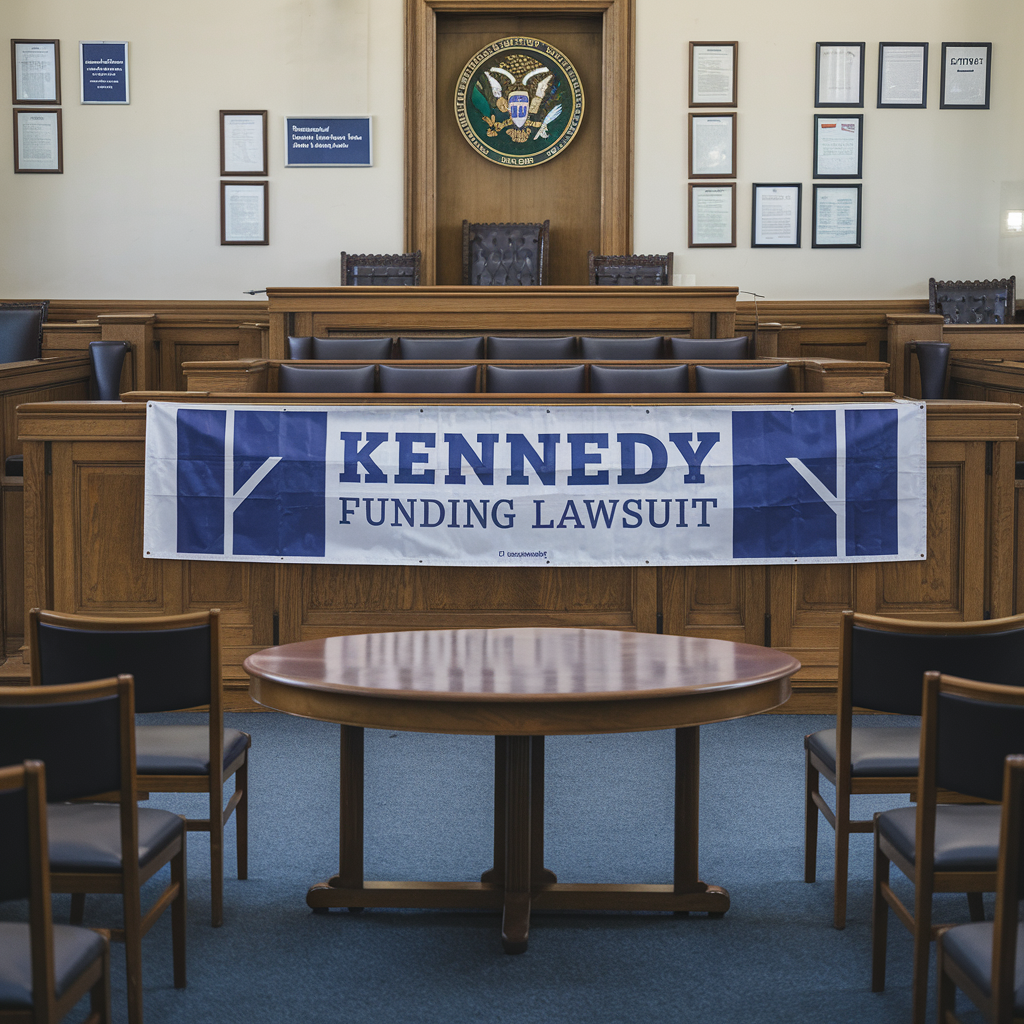
In the world of commercial lending, legal disputes often arise when expectations clash or agreements falter. The Kennedy Funding lawsuit is one such case that has drawn considerable attention in financial and legal circles. This blog delves into the details of the case, examining its background, implications, and lessons for lenders and borrowers alike.
Whether you’re a financial professional, a business owner, or a legal enthusiast, understanding this lawsuit provides valuable insights into the complexities of high-stakes lending.
What is the Kennedy Funding Lawsuit About?
The Kennedy Funding lawsuit revolves around allegations of misrepresentation, breach of contract, or financial misconduct related to the company’s lending practices. As a global commercial lender known for facilitating bridge loans and other real estate financing solutions, Kennedy Funding has been involved in transactions with a variety of borrowers.
However, disputes have arisen when expectations between the lender and borrowers diverged, often leading to legal proceedings.
Background of Kennedy Funding
A Leading Name in Commercial Lending
Kennedy Funding is a reputable private lender specializing in:
- Bridge Loans: Short-term financing to fill gaps in funding.
- Real Estate Financing: For acquisitions, developments, and distressed properties.
- Cross-Border Loans: Focusing on the U.S., Canada, Europe, and Latin America.
The company has earned a reputation for its willingness to fund projects deemed too risky by traditional banks. However, this high-risk approach has occasionally led to legal entanglements.
Previous Legal Challenges
The Kennedy Funding lawsuit is not the first controversy surrounding the company. Similar cases in the past have questioned the transparency of their loan agreements, interest rates, and lending practices.
Key Issues in the Kennedy Funding Lawsuit
1. Breach of Contract
One of the primary allegations in the Kennedy Funding lawsuit involves breach of contract. Borrowers have claimed that the company failed to honor terms outlined in their agreements, such as:
- Funding timelines
- Agreed interest rates
- Loan disbursement amounts
2. Misrepresentation
Borrowers have also accused Kennedy Funding of misrepresenting the terms of their loans. This could include unclear language in contracts or failing to disclose critical details during negotiations.
3. Predatory Lending Practices
Some lawsuits have alleged predatory lending tactics, such as imposing excessively high interest rates or fees, which made repayment nearly impossible for borrowers.
Implications of the Kennedy Funding Lawsuit
For Lenders
The case highlights the importance of:
- Transparency: Clear communication during loan negotiations and documentation.
- Compliance: Adherence to federal and state lending laws.
- Reputation Management: Maintaining trust in competitive lending markets.
For Borrowers
Borrowers involved in the Kennedy Funding lawsuit emphasize the need to:
- Understand Contract Terms: Carefully reviewing agreements before signing.
- Negotiate Fair Terms: Seeking clarity on fees, interest rates, and repayment schedules.
- Consult Legal Experts: Working with attorneys to protect their interests.
Lessons Learned from the Kennedy Funding Lawsuit
1. Detailed Loan Documentation
Ambiguities in loan agreements often lead to disputes. Clear, detailed contracts that outline all terms, conditions, and contingencies can prevent misunderstandings.
2. Ethical Lending Practices
Private lenders must balance profitability with ethical responsibilities. Predatory practices not only harm borrowers but also tarnish the lender’s reputation.
3. Legal Preparedness
Both lenders and borrowers should be prepared for potential disputes by maintaining thorough records and seeking legal counsel when needed.
The Role of Transparency in Lending
Transparency is a critical factor in avoiding disputes like the Kennedy Funding . This includes:
- Full Disclosure: Clearly stating all fees, rates, and terms in contracts.
- Open Communication: Addressing borrower concerns promptly and honestly.
- Fair Practices: Avoiding tactics that may exploit vulnerable borrowers.
Frequently Asked Questions
What led to the Kennedy Funding lawsuit?
The lawsuit stems from allegations of breach of contract, misrepresentation, and predatory lending practices involving the company’s financial agreements.
How has the lawsuit impacted Kennedy Funding?
Legal disputes can damage a company’s reputation, potentially reducing client trust and increasing regulatory scrutiny.
What lessons can lenders learn from this case?
Lenders should prioritize transparency, ethical practices, and adherence to legal standards to avoid similar issues.
How can borrowers protect themselves in loan agreements?
Borrowers should carefully review contracts, negotiate fair terms, and consult legal experts to safeguard their interests.
Is Kennedy Funding still a viable lender despite the lawsuit?
While the lawsuit raises questions about certain practices, Kennedy Funding remains active in the lending market. Prospective clients should conduct thorough research before engaging.
What are common red flags in loan agreements?
Red flags include unclear terms, excessively high fees, and lack of transparency regarding repayment conditions.
see also The Kennedy Funding Ripoff Report: Unveiling the Controversy
Conclusion
The Kennedy Funding lawsuit serves as a reminder of the complexities in the lending world. While private lenders like Kennedy Funding offer valuable alternatives to traditional financing, maintaining transparency and fairness is crucial. Both lenders and borrowers can learn from this case, ensuring ethical and legally compliant practices in their transactions.
By fostering trust and accountability, the lending industry can avoid similar disputes in the future, creating a more equitable environment for all stakeholders.

Mesothelioma is a devastating disease caused by asbestos exposure, leaving victims and their families in need of expert legal help. If you or a loved one in Oklahoma City is affected, understanding the role of an experienced Oklahoma City mesothelioma lawyer Vimeo can be your first step toward seeking justice and compensation. With Vimeo’s platform offering informative content, connecting with the right legal resources has never been more accessible.
Understanding Mesothelioma and Its Legal Implications
What Is Mesothelioma?
This disease often affects the lungs (pleural mesothelioma) but can also impact the abdomen (peritoneal mesothelioma) and other areas.
Symptoms like shortness of breath, chest pain, and fatigue often appear years after exposure, making it crucial for victims to seek immediate medical and legal advice once diagnosed.
Why Asbestos Exposure Matters in Mesothelioma Cases
Despite regulations in the late 20th century, many companies knowingly exposed employees to its dangers. Lawyers specializing in mesothelioma cases help victims hold negligent corporations accountable.
The Role of an Oklahoma City Mesothelioma Lawyer
Expertise in Mesothelioma Cases
Mesothelioma cases are highly specialized. Oklahoma City lawyers with a focus on asbestos litigation possess deep knowledge of the law and access to medical experts who can strengthen your case.
By choosing an attorney familiar with Vimeo resources, clients can review case studies, testimonials, and informational videos to better understand the process.
Types of Compensation Available
- Medical Expenses: Mesothelioma treatments, including surgery and chemotherapy, are costly. Compensation can cover these expenses.
- Lost Wages: Many victims are unable to work due to the severity of their condition.
- Pain and Suffering: Emotional and physical tolls are factored into settlements or verdicts.
- Wrongful Death Claims: Families can file claims for loss of companionship and funeral costs if a loved one passes away.
Why Vimeo Can Help You Find the Right Lawyer
Vimeo is a platform where many legal professionals share detailed video content, allowing users to evaluate their services. From client testimonials to case highlights, the platform is an invaluable resource for those seeking an Oklahoma City mesothelioma lawyer.
How to Choose the Best Oklahoma City Mesothelioma Lawyer
Look for Proven Experience
The lawyer you choose should have a track record of successfully litigating asbestos cases. Check for past verdicts and settlements to gauge their expertise.
Review Their Vimeo Content
Many top lawyers now showcase their expertise through platforms like Vimeo. Watching their content provides insight into their communication style, professionalism, and approach to cases.
Evaluate Their Support Network
Mesothelioma cases often involve teams of medical experts, investigators, and legal assistants. Ensure the lawyer you select has access to these resources.
Filing a Mesothelioma Lawsuit in Oklahoma City
Statute of Limitations
In Oklahoma, mesothelioma victims typically have two years from the date of diagnosis to file a lawsuit. Acting promptly ensures you don’t lose the right to pursue compensation.
Steps in Filing a Claim
- Consultation: Speak with a lawyer to evaluate your case.
- Evidence Collection: Gather medical records, employment history, and proof of asbestos exposure.
- Filing the Lawsuit: The lawyer will file a claim against the responsible party.
- Negotiation or Trial: Many cases are settled out of court, but some proceed to trial.
Conclusion
Navigating the challenges of a mesothelioma diagnosis is overwhelming, but legal experts in Oklahoma City are here to help. With platforms like Vimeo offering accessible insights into attorney expertise, victims can confidently find the right advocate.
Hiring an Oklahoma City mesothelioma lawyer Vimeo is a critical step toward securing justice and financial relief, enabling victims and their families to focus on healing. Don’t wait—seek the expert legal support you deserve today.
Also Read: How Looks Fabulous in Slang Nyt Became a Timeless Slang Trend
FAQs
What is the role of Vimeo in finding mesothelioma lawyers?
Vimeo offers videos where lawyers share detailed case studies, testimonials, and explanations of legal processes, helping victims make informed decisions.
How much does it cost to hire a mesothelioma lawyer?
Most lawyers work on a contingency fee basis, meaning they only get paid if you win your case.
Why choose an Oklahoma City mesothelioma lawyer?
Local attorneys understand state laws, local courts, and the industries where asbestos exposure was common in Oklahoma.
What should I bring to my first consultation?
Prepare medical records, employment history, and any documents related to asbestos exposure.
Can family members file a claim if the victim has passed away?
Yes, family members can pursue a wrongful death claim for compensation.
How long does a mesothelioma lawsuit take?
The timeline varies but typically ranges from several months to a few years, depending on the complexity of the case.
-

 NEWS1 year ago
Searchinventure: Redefining the Digital Experience
-

 HEALTH2 years ago
Unveiling the //vital-mag.net blog: Your Gateway to Health and Wellness
-

 NEWS2 years ago
The Alicia Case in Atlanta: A Deep Dive
-

 Pets2 years ago
Ultimate Strength: Heavy-Duty Tactical Dog Collars for Large Breeds
-

 FASHION2 years ago
How to Style Floral Long-Sleeve Homecoming Dresses for a Glamorous Look
-

 BUSINESS2 years ago
Pedro Vaz Paulo: A Visionary Business Consultant Driving Success
-

 NEWS2 years ago
2023-1954: A Journey Through the Decades
-

 TECHNOLOGY2 years ago
The Evolution of Technology: From 1954 to 2023