
TECHNOLOGY
Prizmatem: Illuminating the Future of Digital Innovation and Intelligent Design

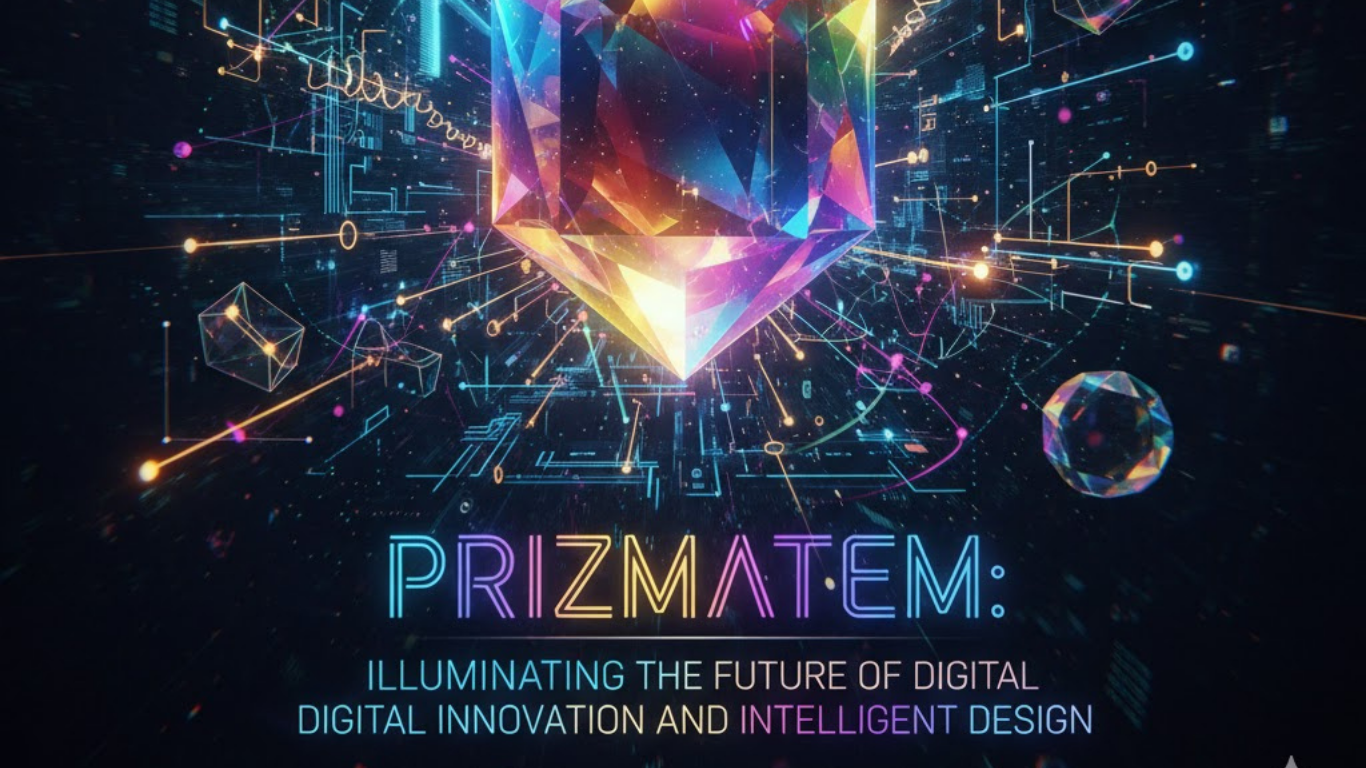
In today’s rapidly evolving technological landscape, innovation isn’t just about creating something new — it’s about creating something meaningful, adaptive, and transformative. Prizmatem embodies this philosophy perfectly. Drawing inspiration from the prism — an object that refracts a single beam of light into a spectrum of colors — Prizmatem symbolizes the multifaceted nature of modern digital progress. It represents diversity, creativity, intelligence, and the boundless potential of technology when guided by human imagination.
Prizmatem is not just a company or a concept; it’s an ecosystem of ideas that merge design, data, and digital intelligence into a unified force of progress. Whether in artificial intelligence, creative software, smart automation, or digital transformation strategies, Prizmatem’s approach radiates innovation — bringing clarity to complexity and color to an otherwise monochrome digital world.
The Philosophy Behind Prizmatem
At its core, Prizmatem stands for transparency, transformation, and technology — the three “T’s” that drive its purpose. Much like a prism breaking light into its constituent colors, Prizmatem breaks down challenges into their elemental components, analyzing them from every possible angle before reconstructing solutions that are efficient, aesthetic, and intelligent.
Its philosophy is guided by these key principles:
-
Innovation with Purpose: Every solution must serve a deeper goal — to make technology more human and accessible.
-
Design as Intelligence: Beauty and logic coexist; great design is not decoration but structured intelligence.
-
Sustainability in Progress: Every innovation must consider its long-term impact on both people and the planet.
-
Collaboration Over Competition: In the digital era, success is built through networks, ecosystems, and shared intelligence.
By weaving these principles together, Prizmatem redefines what it means to innovate in the age of intelligent systems.
Prizmatem’s Core Domains of Expertise
Prizmatem’s influence spans multiple dimensions of the modern digital landscape. It functions not as a single entity but as a multi-disciplinary hub for innovation, bringing together technology, design, creativity, and strategy under one visionary umbrella.
1. Digital Design and Experience
Prizmatem’s design philosophy combines art and algorithm — merging aesthetics with analytical precision. Through cutting-edge UI/UX development, interactive design systems, and creative visual storytelling, it crafts experiences that captivate users and enhance brand identities. Every project is approached as an artistic expression of technology, where form meets function in perfect harmony.
2. Artificial Intelligence and Smart Systems
AI forms the backbone of Prizmatem’s innovation. From intelligent automation tools and predictive analytics platforms to conversational AI and generative models, Prizmatem creates systems that think, learn, and evolve. Its AI solutions are not just reactive; they are proactive — designed to anticipate challenges and deliver strategic insights before they’re even needed.
3. Digital Transformation Consulting
In a world where adaptability is survival, Prizmatem acts as a strategic transformation partner for organizations seeking digital reinvention. Through detailed data analysis, process redesign, and technology integration, it helps companies transition from traditional operations to smart, agile, and efficient ecosystems.
4. Software and Product Innovation
Prizmatem develops customized software ecosystems that are scalable, intelligent, and future-ready. Its products range from cloud-based management systems to creative digital platforms that empower businesses to operate at peak efficiency. What sets these products apart is their integration of human-centered design — ensuring technology works for people, not against them.
5. Branding and Digital Identity
A prism refracts light into its true colors — and Prizmatem does the same for brands. By combining data-driven insights with creative storytelling, it helps businesses discover and express their authentic identity in the digital world. From visual branding to strategic communication, every detail reflects precision, clarity, and brilliance.
Innovation in Motion: The Prizmatem Methodology
Prizmatem’s innovation model is built upon a four-phase process that ensures every project is rooted in insight, creativity, and measurable impact.
-
Illuminate – The discovery phase, where ideas and challenges are explored deeply through research, data, and human insight.
-
Refract – The ideation phase, where creativity breaks down complex concepts into innovative, workable ideas — much like light refracted through a prism.
-
Synthesize – The development phase, where technology and design converge to create intelligent systems and solutions.
-
Radiate – The launch and optimization phase, where results are measured, refined, and scaled to deliver continuous value.
This methodology enables Prizmatem to maintain both artistic vision and technical precision — a balance few organizations achieve.
The Human Element of Prizmatem
Despite its technological focus, Prizmatem’s greatest strength lies in its human-centered approach. It recognizes that every digital solution ultimately serves a person — a user, a creator, a business owner, or a community. That’s why empathy, psychology, and inclusivity play a major role in its design and development processes.
Prizmatem invests deeply in education, diversity, and creative empowerment, fostering environments where designers, developers, and strategists collaborate freely across disciplines. This open exchange of ideas mirrors the way light interacts within a prism — each individual contributing a unique wavelength of brilliance to the greater whole.
Sustainability and Ethical Technology
In an era where digital progress often outpaces ethical reflection, Prizmatem is committed to responsible innovation. Its sustainability initiatives focus on:
-
Green Computing: Reducing the energy footprint of digital operations.
-
Ethical AI: Ensuring algorithms remain transparent, fair, and unbiased.
-
Inclusive Design: Creating products that are accessible to users of all abilities and backgrounds.
-
Circular Innovation: Building systems that can evolve, adapt, and recycle their utility without waste.
By aligning innovation with integrity, Prizmatem proves that technology can be both powerful and principled.
Global Reach and Collaborative Impact
From startups to global enterprises, Prizmatem partners with clients across industries and continents. Its global network of collaborators includes innovators in fields such as fintech, education, healthcare, entertainment, and digital arts. These partnerships are built on shared values — creativity, intelligence, and progress.
Through open innovation programs and digital think tanks, Prizmatem fosters collaboration that extends beyond its own ecosystem. It supports creators, developers, and entrepreneurs in turning visionary ideas into reality — building a digital future defined by inclusivity and imagination.
Prizmatem and the Future of Digital Intelligence
As artificial intelligence, mixed reality, and blockchain technology continue to reshape industries, Prizmatem positions itself as a catalyst for the next digital evolution. The future it envisions is one where creativity and computation coexist — where digital systems don’t replace human creativity but amplify it.
Imagine intelligent design tools that understand artistic intent, adaptive AI systems that evolve alongside user needs, and sustainable digital infrastructures that nurture innovation instead of consuming it. That is the future Prizmatem is building — one where light (knowledge) and color (creativity) merge into a radiant digital horizon.
Conclusion: The Light Beyond the Prism
Prizmatem is more than a company; it’s a movement of modern digital philosophy — one that recognizes technology as both a science and an art. By channeling innovation through the prism of creativity, intelligence, and ethics, Prizmatem transforms ordinary ideas into extraordinary experiences.
In a world increasingly dominated by automation and algorithms, Prizmatem reminds us that the brightest light comes not from technology alone, but from the human mind that shapes it. Through clarity, diversity, and imagination, it continues to illuminate the path toward a more vibrant and intelligent digital future.

In the dynamic landscape of the 21st-century digital economy and global development, few individuals embody the fusion of innovation, empathy, and purpose quite like Mariano Iduba. Known to many as a tech entrepreneur, social innovator, community leader, and mentor, Iduba’s work spans continents and disciplines — rooted in the conviction that technology should empower humanity, not just automate it. Holistic Magazine+1
From his formative years to the leadership roles he holds today, Iduba’s journey reflects how creativity, strategic thinking, and a deep commitment to inclusion can reshape traditional narratives about leadership in technology. This article traces his life story, impact, and philosophy, offering insight into the myriad ways he influences the world around him.
Early Life and Formative Years
Information about Iduba’s early life reflects a blend of cultural influences and a fertile environment for intellectual curiosity. Some accounts place his upbringing in Rosario, Argentina, where family values focused on education and community service helped shape his worldview. Top Spot Magazine Others note roots in Nairobi, Kenya, painting a picture of multicultural exposure that deepened his understanding of global challenges and opportunities. The Blup
From a young age, Iduba was drawn to both how things work and what they can do for people. He would experiment with gadgets, radios, and early computing devices — not just for personal amusement, but to understand systems and their potential to simplify, connect, and uplift. This blend of inquisitiveness and purpose foreshadowed a career where innovation + empathy would become inseparable pillars of his work. Holistic Magazine
His academic trajectory combined technical rigor with a mission-driven outlook. Securing a scholarship to study Computer Science and Sustainable Development at the University of Cape Town, Iduba cultivated a dual expertise — mastering cutting-edge technology while grounding his ambitions in real-world development needs. During this period, he also launched coding bootcamps for youth in informal settlements — early signs of his commitment to education and inclusion. The Blup+1
The Making of an Entrepreneur
Iduba’s professional ascent began in traditional technology environments. He worked in roles ranging from software engineering at a global NGO to consulting and product management, gaining firsthand experience in strategy, systems design, and business fundamentals. marianoiduba.com+1
However, it wasn’t long before he felt the pull toward purpose-driven entrepreneurship. While corporate roles offered structure and resources, Iduba sought something that could respond directly to community needs. This realization catalyzed his transition to founding initiatives focused on digital inclusion, education, and sustainable technology. Holistic Magazine+1
GreenNet Solutions: Bridging Connectivity Gaps
One of Iduba’s earliest and most impactful ventures was GreenNet Solutions — a social enterprise dedicated to providing off-grid internet and solar-powered learning hubs in underserved regions, particularly across East Africa. These hubs fuse solar energy, internet access, and digital education resources, unlocking opportunities for communities long excluded from the digital economy. The Blup+1
Under his leadership, GreenNet has reportedly deployed over 100 hubs, benefiting more than 50,000 students, transforming classrooms into connected spaces for creativity, innovation and community engagement. The Blup
This project represents a larger insight into Iduba’s approach: technology should be adapted to people’s environments — not the other way around.
CodeRoot Africa: Empowering Innovation
Taking his commitment to education a step further, Iduba co-founded CodeRoot Africa, a nonprofit organization focused on technology skills development, including AI, blockchain, and data science. The program targets youth from marginalized communities, with a strong emphasis on empowering young women and equipping them with practical skills for the digital economy. The Blup+1
In doing so, CodeRoot Africa does more than teach coding — it fosters critical thinking, problem-solving, and local innovation, encouraging students to leverage technology to address challenges within their own communities. The emphasis on mentorship and real-world application helps bridge the disconnect between theoretical learning and employment pathways. The Blup
Social Innovation and Rural Empowerment
Iduba’s impact extends beyond education into sectors like agriculture and rural development. One notable initiative involved co-designing a mobile agricultural platform for West African farmers, delivering real-time market data, weather forecasts, and pricing insights directly to basic mobile devices. The Blup+1
This technology gave farmers tools to plan harvests more effectively and negotiate fairer prices, reducing dependence on middlemen and strengthening economic independence. The platform’s accessibility — optimized for low bandwidth and multilingual support — reflects Iduba’s belief that inclusive design must acknowledge local realities, not just technological capabilities. Top Spot Magazine
Such projects underscore a broader theme in his work: innovation is not innovation unless it measurably improves lives.
Leadership Philosophy and Values
What distinguishes Mariano Iduba from many other tech leaders is not just what he does, but how he leads.
People-First Innovation
At the core of Iduba’s philosophy is the conviction that technology should be people-centered. For him, the purpose of innovation isn’t convenience or profit first — it’s empowerment. He often emphasizes listening to communities before deploying solutions, ensuring that technological interventions are relevant, ethical, and sustainable. The Blup
Servant Leadership and Empathy
Iduba practices what many call servant leadership — prioritizing the growth and well-being of his teams and communities over rigid hierarchy. He fosters environments where diverse voices are valued, ideas are welcomed, and failure is reframed as learning. Holistic Magazine
This leadership style is not merely philosophical; it manifests in how projects are co-created with local stakeholders, how mentorship programs are structured, and how decisions emphasize transparency and collective ownership. The Blup
Ethics and Responsibility
In a world where technology’s social consequences are often debated, Iduba is a vocal advocate for ethical tech adoption, data privacy, and inclusive digital policy development. He argues that without ethical guardrails, innovation risks reinforcing inequalities instead of alleviating them. The Blup
Recognition and Global Influence
Though Iduba operates outside traditional Silicon Valley ecosystems, his work has not gone unnoticed. He has been recognized by institutions and innovation networks for his leadership in socially impactful technology, including accolades like the Young Innovators Award for Sustainable Development and listings such as Top 40 Under 40 in Tech Leadership. Holistic Magazine+1
Additionally, his initiatives have attracted attention from global forums where he speaks on topics like digital inclusion, ethical AI, and sustainable development — often bringing a grassroots perspective to conversations typically dominated by large corporations and policymakers. The Blup
Mentorship, Philanthropy, and Community Leadership
Beyond organizational leadership, Iduba is deeply invested in mentorship and capacity building. Through workshops, accelerators, and direct coaching, he nurtures young entrepreneurs and future tech leaders, emphasizing that leadership is a culture, not a title. pantryexperts.com
His philanthropic work includes founding NGOs that support vulnerable populations — such as LGBTIQ asylum seekers in Argentina — offering shelter, digital training, and community support services. get-time.org
This blend of professional commitment and personal conviction reflects Iduba’s belief that impact begins with compassion — and that anyone can contribute to meaningful change, regardless of background or resources.
Critiques and Contextual Considerations
Not all details about Iduba’s biography and awards are independently verified in every source. Some achievements and honors reported online vary between outlets, underscoring the importance of cautious interpretation. However, the broader narrative of technology with purpose, community-centric innovation, and inclusive leadership consistently emerges across profiles and reports. marianoiduba.com
Looking Ahead: Vision for the Future
Mariano Iduba’s ambitions extend far beyond his current portfolio of projects. His long-term vision includes:
-
Expanding GreenNet’s connectivity models to more underserved regions globally. The Blup
-
Developing AI-powered learning platforms that adapt to students’ unique needs and accessibility constraints. The Blup
-
Advocating for policies that integrate digital equity into national development strategies. The Blup
-
Fostering ecosystems where local innovation thrives without external dependency. The Blup
Through each of these initiatives, the guiding principle remains clear: innovation must serve people, not the other way around.
Conclusion
Mariano Iduba represents a new paradigm in leadership — one that blends technical brilliance with humanistic purpose, entrepreneurial boldness with empathy, and global vision with local relevance. Whether through deploying learning hubs in rural Africa, guiding young innovators, or shaping conversations about ethical technology, his work embodies the conviction that progress is meaningful only when it lifts others along the journey. Holistic Magazine+1
In an era where digital transformation reshapes every aspect of life, leaders like Iduba remind us that the future we build should be inclusive, equitable, and grounded in humanity. His ongoing story — still unfolding — offers lessons not only for technologists and entrepreneurs but for anyone who believes in the power of innovation to create opportunities for all.

The word “kibard” is not universally defined in mainstream dictionaries, yet it appears in different cultural, linguistic, and informal contexts where its meaning shifts depending on usage. Like many emerging or regionally rooted terms, kibard reflects how language evolves through communities, subcultures, and social interaction. Understanding kibard therefore requires an open and contextual approach rather than a single rigid definition.
This article explores the possible meanings of kibard, its linguistic roots, cultural interpretations, informal usage, and why such terms matter in understanding modern communication and identity.
Linguistic Origins and Possible Roots
The origin of the term kibard is not definitively documented, which suggests it may be:
-
A colloquial or slang expression
-
A phonetic variation of another word
-
A borrowed term adapted from a different language
-
A community-specific label with localized meaning
In many languages, especially those influenced by oral tradition or internet culture, words develop organically. Kibard may be a derivative or altered form of existing terms, shaped by pronunciation, humor, or social context.
In some interpretations, kibard is thought to resemble words used to describe behavior, attitude, or personality traits, particularly those related to stubbornness, showiness, or exaggerated confidence. However, meanings can vary widely.
Kibard as a Descriptive Term
In informal speech, kibard is sometimes used as a descriptive label rather than a literal noun. When used this way, it may describe someone who:
-
Acts overly confident or arrogant
-
Displays exaggerated behavior for attention
-
Is stubborn or resistant to advice
-
Appears flashy without substance
This usage is similar to how many slang terms function—not as formal insults, but as social shorthand to describe recognizable behavior. The tone can range from playful teasing to criticism, depending on context.
Importantly, such terms often rely heavily on shared understanding within a group. Outside that group, the word may lose its meaning entirely.
Cultural Context and Social Usage
Like many colloquial expressions, kibard gains meaning through cultural context. In some communities, it may be used humorously among friends, while in others it could carry a negative connotation.
Language scholars note that words like kibard often:
-
Emerge in youth culture
-
Spread through social media or informal conversation
-
Gain popularity before being formally documented
-
Sometimes disappear as quickly as they appear
This makes kibard an example of living language, shaped by social trends rather than academic authority.
Kibard in Online and Digital Spaces
The internet plays a major role in how undefined or semi-defined terms gain traction. Kibard may appear in:
-
Online forums
-
Comment sections
-
Meme culture
-
Chat applications
-
Gaming or streaming communities
In digital environments, words often develop layered meanings, where tone, emojis, or context determine intent. A term like kibard might be used ironically, sarcastically, or affectionately.
Because digital communication lacks facial expressions and vocal cues, such terms can easily be misunderstood, reinforcing the importance of context.
Possible Regional Interpretations
In some regions, kibard may be linked to local dialects or phonetic habits, making it recognizable only within a specific linguistic group. Regional slang often reflects:
-
Local humor
-
Cultural values
-
Shared social experiences
-
Historical influences
This regional specificity explains why kibard might feel familiar to some speakers while remaining completely unknown to others.
Kibard and Identity Expression
Language is deeply tied to identity. Using terms like kibard can signal:
-
Group membership
-
Cultural familiarity
-
Shared humor or values
-
Informal social status
In this sense, kibard functions less as a word with a strict definition and more as a social marker. It helps people establish closeness or distinction within a group.
Neutral vs. Negative Interpretations
Whether kibard is seen as neutral or negative depends entirely on usage. Like many informal terms, it can:
-
Be playful and harmless among friends
-
Become critical when used publicly
-
Be offensive if applied without consent or context
This ambiguity highlights a broader truth about language: intent and perception matter as much as definition.
Why Undefined Terms Like Kibard Matter
Words like kibard are important because they reveal how people:
-
Adapt language to fit new realities
-
Express complex social judgments quickly
-
Build shared understanding outside formal systems
They also demonstrate the limits of traditional dictionaries, which often lag behind real-world language use.
Linguistic Evolution and Informal Vocabulary
Throughout history, many now-common words began as informal or undefined expressions. Slang and colloquial language:
-
Push linguistic boundaries
-
Reflect generational change
-
Influence mainstream vocabulary over time
Kibard may follow a similar path—or it may remain a niche term known only within certain circles.
Misinterpretation and Caution in Use
Because kibard lacks a standardized meaning, caution is advised when using it in:
-
Professional settings
-
Public communication
-
Cross-cultural conversations
What feels humorous in one context may feel confusing or disrespectful in another. Clear communication often benefits from choosing words with shared understanding.
Academic and Sociolinguistic Perspectives
From a sociolinguistic perspective, kibard represents:
-
Informal lexical innovation
-
Community-driven meaning
-
Language as a social tool
Researchers studying modern language trends often focus on such words to understand how communication evolves in response to technology and social change.
Kibard in Comparison to Similar Terms
Many languages contain similar words that:
-
Have flexible meanings
-
Depend on tone and relationship
-
Are rarely written but often spoken
Kibard fits into this broader category of context-dependent expressions, where meaning lives more in usage than in definition.
The Future of the Term Kibard
Whether kibard becomes more widely recognized depends on:
-
Continued use in popular culture
-
Adoption by influential communities
-
Documentation in digital or linguistic records
Some terms fade away, while others evolve and gain permanence. Kibard’s future remains open.
Conclusion
Kibard is a compelling example of how language operates beyond formal definitions. Its meaning shifts across contexts, communities, and intentions, reflecting the dynamic nature of human communication. Rather than seeking a single, fixed definition, understanding kibard requires attention to cultural background, tone, and social setting.
In a world where language evolves faster than ever, terms like kibard remind us that words are not just tools for communication—they are expressions of identity, humor, and shared experience. Whether kibard remains a niche expression or grows into broader usage, it stands as a testament to the creativity and adaptability of language itself.
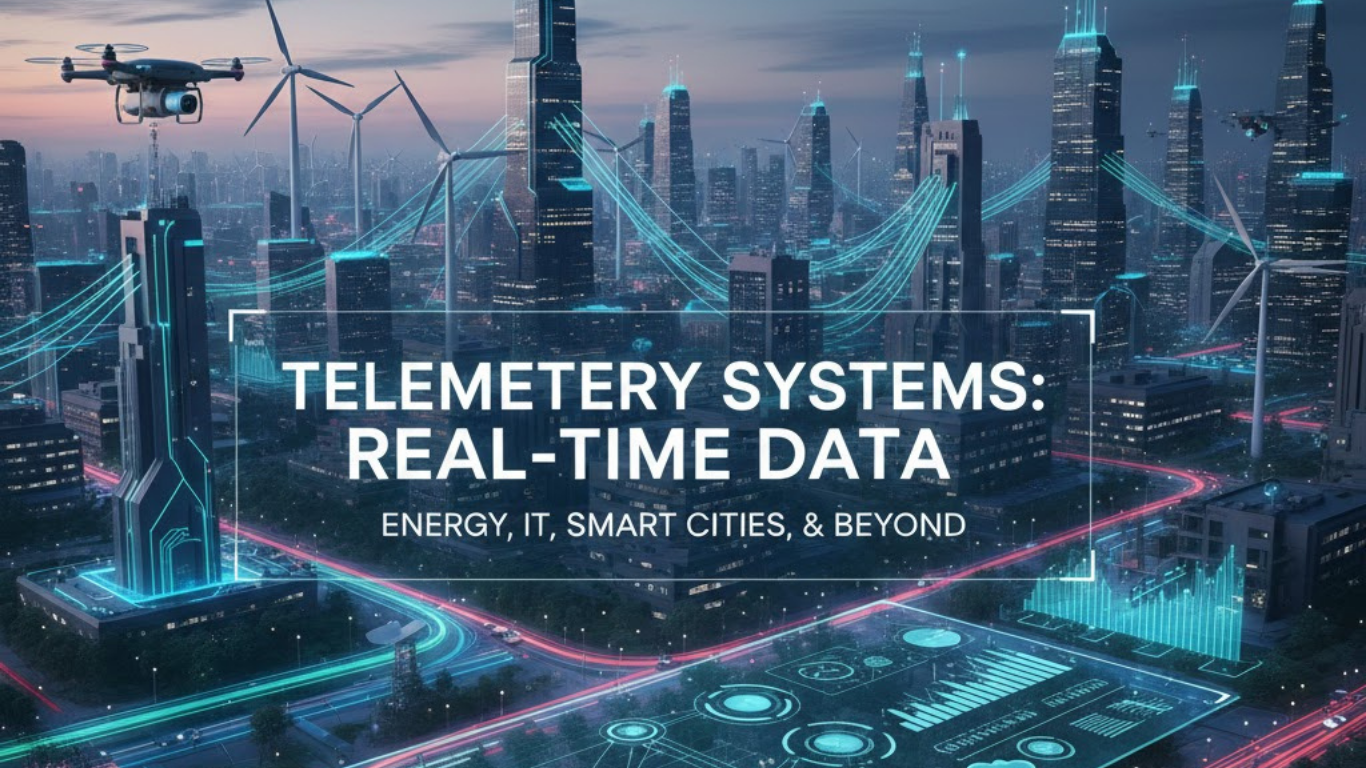
The term “telemetryczny” comes from the Polish word telemetria (telemetry) and broadly refers to anything related to telemetry systems, telemetry data, or telemetry-based processes. In today’s data-driven and connected world, telemetryczny solutions play a crucial role across industries such as aerospace, healthcare, automotive engineering, IT infrastructure, energy management, and smart cities. Telemetry is no longer a niche technology—it has become a foundational element of modern monitoring, automation, and decision-making.
This article explores what “telemetryczny” means, how telemetry systems work, their real-world applications, benefits, challenges, and the future direction of telemetry-based technologies.
What Does “Telemetryczny” Mean?
Telemetryczny describes systems, devices, software, or processes that are involved in remote measurement and data transmission. Telemetry itself originates from the Greek words tele (distance) and metron (measure), meaning “measuring at a distance.”
In practical terms, a telemetryczny system:
-
Collects data from sensors or instruments
-
Transmits that data over a network
-
Processes and analyzes the data remotely
-
Enables monitoring, alerts, and automated actions
Anything described as telemetryczny is designed to operate without constant human presence at the measurement location, making it essential for remote, hazardous, or large-scale environments.
How Telemetry Systems Work
A typical telemetryczny system consists of several key components working together:
1. Sensors and Data Sources
Sensors measure physical parameters such as temperature, pressure, voltage, speed, location, humidity, heart rate, or system performance metrics. In digital environments, telemetry data may come from logs, software events, or usage statistics.
2. Data Acquisition Unit
The data acquisition unit gathers raw sensor signals and converts them into digital data that can be transmitted. This step often includes data filtering, compression, or formatting.
3. Communication Channel
Telemetryczny systems rely on communication networks to transmit data. These may include:
-
Wired networks (Ethernet, fiber optics)
-
Wireless networks (Wi-Fi, cellular, satellite)
-
Specialized protocols (LoRaWAN, Zigbee, MQTT)
4. Receiving and Processing Systems
Remote servers or control centers receive telemetry data, store it, and analyze it using software platforms. Dashboards, analytics engines, and AI tools help interpret the information.
5. Visualization and Control
Operators view telemetry data through charts, alerts, and reports. Advanced telemetryczny systems allow bidirectional communication, enabling remote control or system adjustments.
Key Applications of Telemetryczny Technologies
Aerospace and Aviation
Telemetry was first widely used in aerospace engineering. Spacecraft, satellites, rockets, and aircraft depend on telemetryczny systems to transmit real-time data about:
-
Engine performance
-
Fuel levels
-
Structural integrity
-
Navigation and trajectory
Without telemetry, space missions and modern aviation safety would be impossible.
Automotive and Transportation
Modern vehicles generate massive amounts of telemetry data. Telemetryczny automotive systems are used for:
-
Vehicle diagnostics
-
Fleet management
-
Driver behavior analysis
-
Predictive maintenance
-
Electric vehicle battery monitoring
In motorsports, telemetry is critical for performance optimization and safety.
Healthcare and Medical Devices
In healthcare, telemetryczny solutions enable remote patient monitoring. Examples include:
-
Heart rate and ECG telemetry
-
Blood glucose monitoring
-
Wearable fitness trackers
-
Hospital patient telemetry units
These systems improve patient outcomes, reduce hospital stays, and support telemedicine.
Information Technology and Software
In IT, telemetryczny data is essential for monitoring system performance and reliability. Software telemetry includes:
-
Application usage metrics
-
Error logs and crash reports
-
Network latency and throughput
-
Server health indicators
Cloud computing and DevOps practices rely heavily on telemetry for observability and optimization.
Energy and Utilities
Energy providers use telemetryczny systems to monitor:
-
Power grids and substations
-
Renewable energy installations
-
Oil and gas pipelines
-
Water distribution systems
Telemetry improves efficiency, reduces downtime, and enhances safety in critical infrastructure.
Smart Cities and IoT
Smart city initiatives depend on telemetryczny data from thousands of connected devices. Applications include:
-
Traffic management
-
Air quality monitoring
-
Smart lighting systems
-
Waste management optimization
Telemetry enables cities to operate more sustainably and responsively.
Benefits of Telemetryczny Systems
Real-Time Monitoring
Telemetry allows organizations to see what is happening right now, not hours or days later. This immediacy is crucial for safety, performance, and reliability.
Remote Access and Control
Telemetryczny solutions reduce the need for on-site personnel, lowering costs and improving safety in remote or dangerous environments.
Predictive Maintenance
By analyzing telemetry data trends, systems can predict failures before they occur. This reduces downtime and extends equipment lifespan.
Data-Driven Decision Making
Telemetry provides accurate, continuous data that supports better strategic and operational decisions.
Scalability
Modern telemetryczny architectures can scale from a few devices to millions of data points, making them suitable for both small projects and global deployments.
Challenges and Limitations
Despite their advantages, telemetryczny systems also face challenges:
Data Security and Privacy
Telemetry often involves sensitive data. Ensuring secure transmission, encryption, and access control is essential to prevent breaches.
Data Overload
High-frequency telemetry can generate enormous data volumes. Without proper filtering and analytics, valuable insights can be lost in noise.
Network Reliability
Telemetry systems depend on stable communication networks. Connectivity issues can disrupt data flow, especially in remote areas.
Integration Complexity
Combining telemetry data from different devices, vendors, and protocols can be technically complex and costly.
Power Consumption
Many telemetry devices operate on batteries. Balancing data frequency with energy efficiency is a constant challenge.
Telemetryczny in the Era of Artificial Intelligence
The combination of telemetry and AI is transforming how data is used. Machine learning algorithms analyze telemetry streams to:
-
Detect anomalies automatically
-
Optimize system performance
-
Improve forecasting accuracy
-
Enable autonomous decision-making
For example, AI-driven telemetryczny platforms can adjust industrial processes in real time or detect cyber threats before damage occurs.
The Future of Telemetryczny Technologies
The future of telemetryczny systems is closely linked to emerging technologies:
5G and Next-Generation Networks
Ultra-low latency and high bandwidth will enable richer telemetry data, including video and complex sensor arrays.
Edge Computing
Processing telemetry data closer to the source reduces latency and bandwidth usage, enabling faster responses.
Digital Twins
Telemetry feeds digital twins—virtual models of physical systems—allowing real-time simulation and optimization.
Increased Standardization
Common protocols and frameworks will make telemetry systems easier to integrate and manage.
Greater Focus on Sustainability
Telemetryczny monitoring will play a key role in energy efficiency, emissions reduction, and resource management.
Conclusion
The term telemetryczny represents far more than just data transmission—it embodies the foundation of modern remote monitoring, automation, and intelligent systems. From spacecraft and hospitals to cloud platforms and smart cities, telemetryczny technologies enable real-time insight, operational efficiency, and informed decision-making.
As connectivity, AI, and sensor technologies continue to evolve, telemetry will become even more integrated into daily life and critical infrastructure. Understanding telemetryczny systems today means being prepared for a future where data flows continuously, intelligently, and securely across every domain of human activity.
-

 NEWS1 year ago
Searchinventure: Redefining the Digital Experience
-

 HEALTH2 years ago
Unveiling the //vital-mag.net blog: Your Gateway to Health and Wellness
-

 NEWS2 years ago
The Alicia Case in Atlanta: A Deep Dive
-

 Pets2 years ago
Ultimate Strength: Heavy-Duty Tactical Dog Collars for Large Breeds
-

 FASHION2 years ago
How to Style Floral Long-Sleeve Homecoming Dresses for a Glamorous Look
-

 BUSINESS2 years ago
Pedro Vaz Paulo: A Visionary Business Consultant Driving Success
-

 NEWS2 years ago
2023-1954: A Journey Through the Decades
-

 TECHNOLOGY2 years ago
The Evolution of Technology: From 1954 to 2023